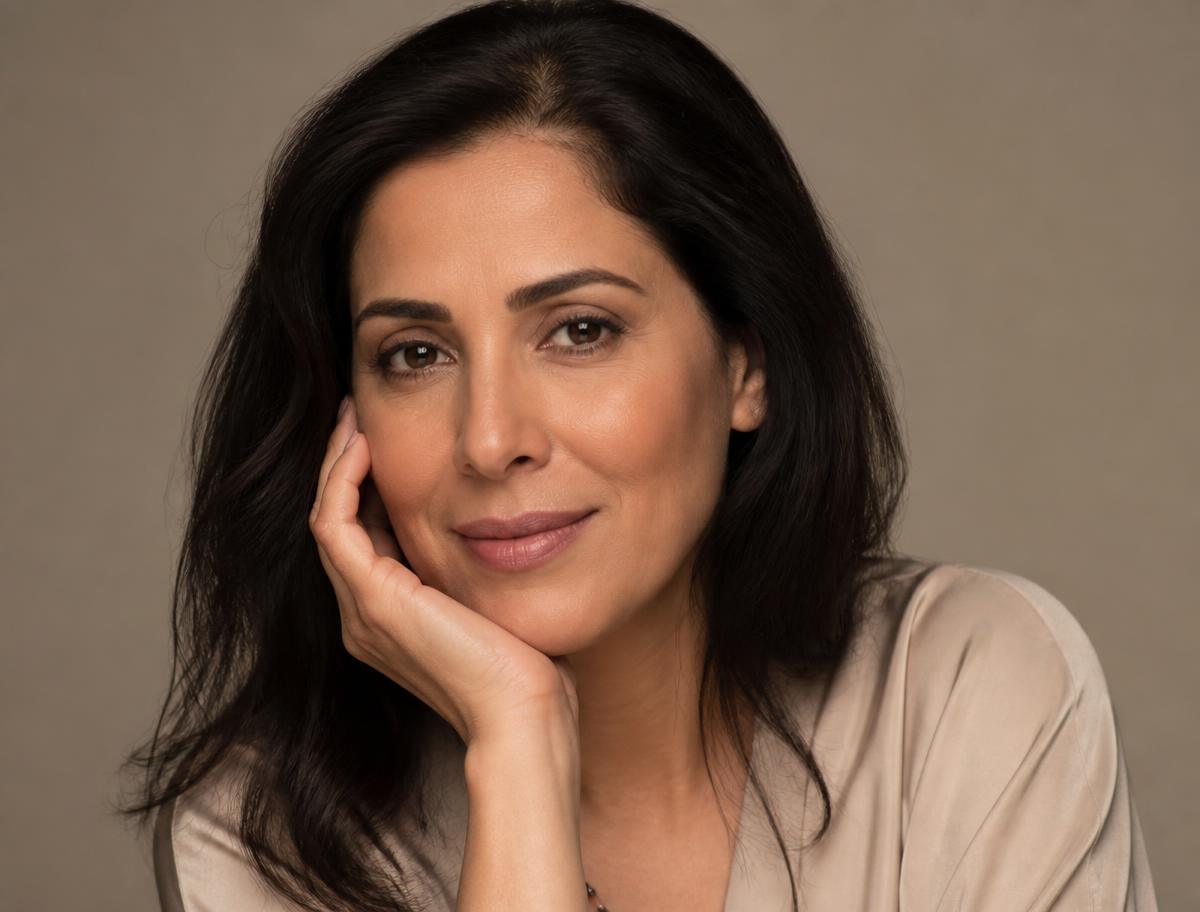


Cairo sun, hormonal triggers and aggressive over-the-counter bleaching make melasma one of the hardest conditions we treat. Here is the protocol our dermatologists follow — and the shortcuts that make it worse.
Melasma is the condition patients most often arrive with after two or three years of self-treatment. By the time we see the skin, the original patches have usually been joined by post-inflammatory marks from harsh creams, unregulated peels or a laser setting chosen for a completely different skin type. The good news is that melasma responds — slowly, predictably and only to a protocol that respects how pigment behaves in deeper phototypes.
Why deeper phototypes behave differently
Fitzpatrick III to V skin, which covers the majority of our patients, carries melanocytes that are more reactive to heat, friction and ultraviolet exposure. The same trigger that leaves a faint pink mark on lighter skin can leave a brown one that lasts months. That single fact should govern every decision that follows: gentler energy, lower concentrations, longer timelines.
- Ultraviolet and visible light — including screen and daylight through glass
- Hormonal shifts: pregnancy, combined oral contraception, thyroid disease
- Heat: kitchens, hammams, prolonged sun-exposed commuting
- Friction from scrubs, cleansing brushes and aggressive waxing
- Irritation from unsupervised hydroquinone or steroid-containing creams
“Melasma is not a stain to be scrubbed away. It is an overactive pigment system that has to be calmed, protected and then gradually corrected.”
The protocol we use at New Me
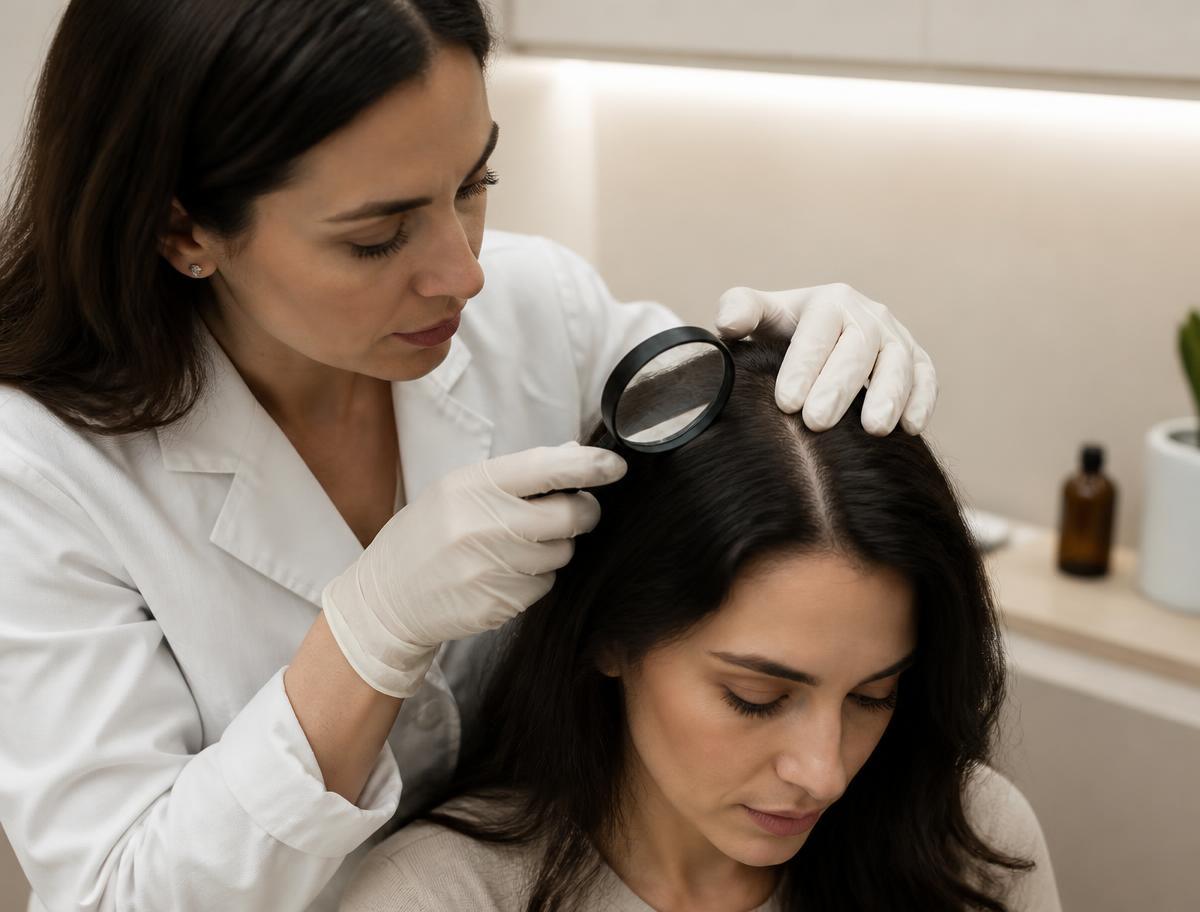
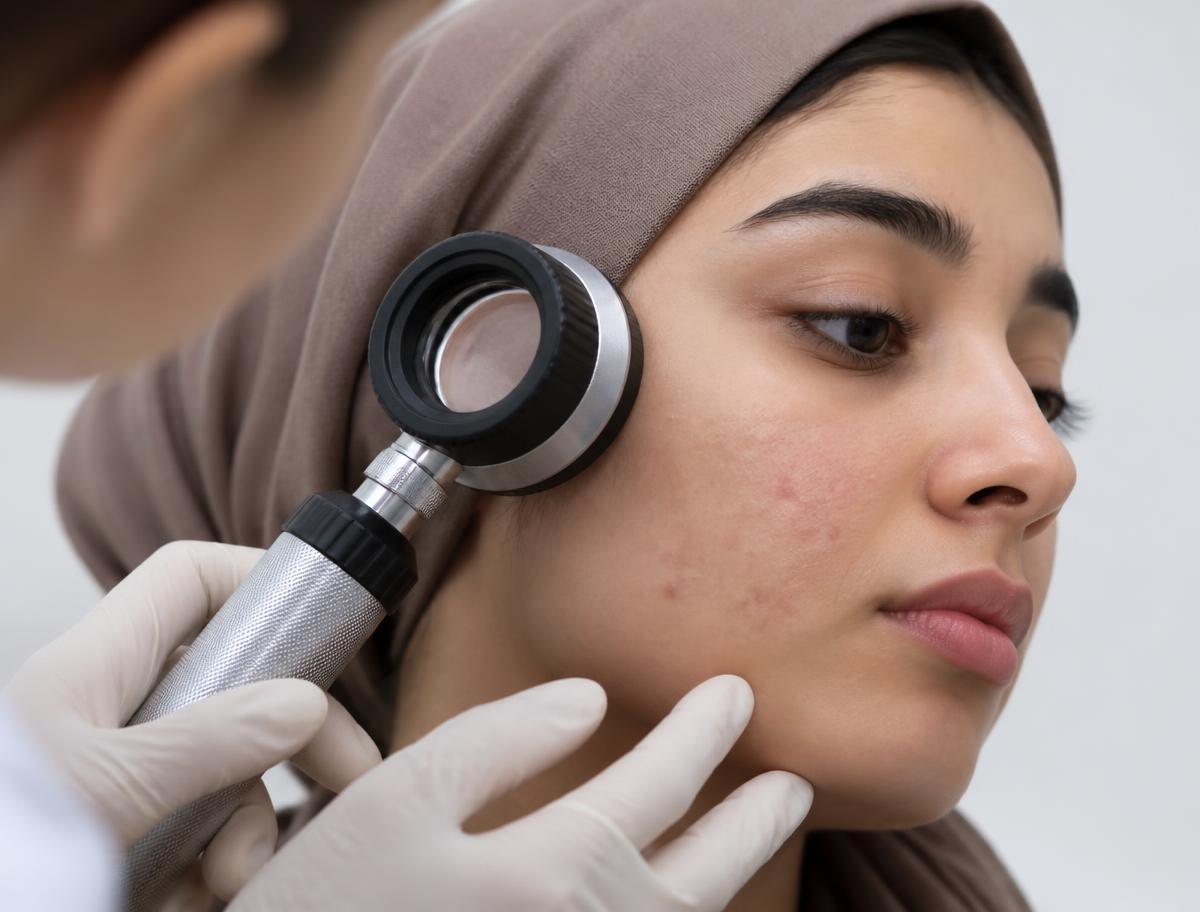
Every melasma plan starts with a Wood's lamp assessment to establish whether the pigment sits epidermally, dermally or in both layers. Dermal melasma responds far more slowly and needs realistic expectations set on day one.
Phase one — stabilise (weeks 1 to 8)
A tinted broad-spectrum SPF 50 with iron oxides, applied every morning and reapplied at midday, does more for melasma than any active ingredient. Iron oxides block visible light, which pure chemical filters do not. Alongside it we introduce azelaic acid or a tyrosinase-inhibiting serum, plus a barrier-repair moisturiser.
Phase two — correct (months 2 to 6)
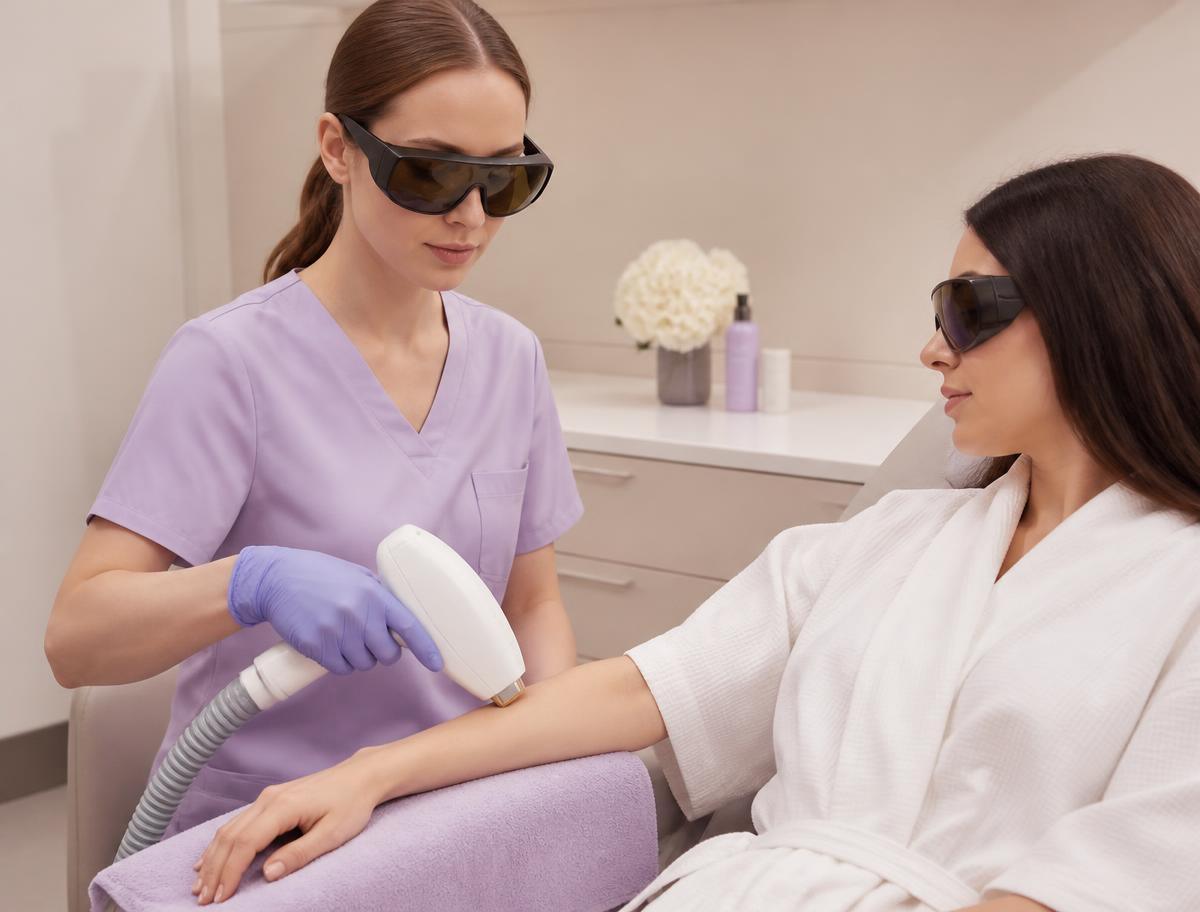
Only once the skin is calm do we introduce correction: prescription-strength depigmenting compounds cycled rather than used continuously, gentle superficial peels spaced four weeks apart, and — in selected cases — low-fluence laser toning with conservative settings.
Phase three — maintain (ongoing)
Melasma is a chronic condition. Maintenance means daily photoprotection, a cycled active two to three nights a week, and a review visit every three to four months. Patients who maintain hold their result; patients who stop see 60 to 80 per cent of the pigment return within one Egyptian summer.
What to expect, honestly
Expect the first visible change at week six to eight, meaningful clearance between months four and six, and a permanent commitment to sun protection. Anyone promising clearance in three sessions is either selling a device or treating the wrong diagnosis.
Frequently asked
Can melasma be cured permanently?
It can be controlled to the point of being invisible, but the underlying pigment sensitivity remains. Maintenance photoprotection is lifelong.
Is laser safe for melasma on brown skin?
Only at low fluence, on stabilised skin, with a clinician experienced in Fitzpatrick III–V. Aggressive resurfacing frequently worsens melasma.
Will pregnancy melasma fade on its own?
Often it partially fades within six to twelve months postpartum. Photoprotection during that window determines how much resolves.
Is this article a substitute for a consultation?
No. This article is educational. Treatment decisions at New Me are made after an in-person skin assessment, medical history review and, where relevant, imaging or patch testing.
Related treatments
- Medical-grade chemical peels
Superficial, spaced four weeks apart
- Laser pigmentation toning
Low-fluence, phototype-calibrated
- Dermatology consultation
Wood's lamp assessment and diagnosis
Related products
Mineral tinted SPF 50
Iron oxides for visible-light protection
Niacinamide 10% serum
Tone support without irritation
About the author
Dr. Mariam Fouad
Medical Director, New Me Aesthetics & Wellness Clinic
Dr. Mariam Fouad leads the medical team at New Me in Mohandessin, with a practice built around evidence-based dermatology and conservative, natural-looking aesthetic outcomes. She consults personally on every injectable and laser protocol prescribed at the clinic.