

You do not need imported superfoods. Glycaemic load, protein adequacy and omega-3 intake explain most of the diet–skin relationship — and all three are achievable locally.
Patients often expect a list of forbidden foods. The evidence supports something less dramatic and more useful: manage how quickly your meals raise blood glucose, eat enough protein, and get adequate omega-3.
Glycaemic load, not sugar phobia
Refined bread, white rice and sweetened drinks spike insulin, which raises androgen activity and sebum production. The fix is not elimination but pairing — protein and fibre alongside the carbohydrate flattens the curve.
- Baladi bread with foul and salad rather than alone
- Brown or mixed rice, portioned to a cupped hand
- Fruit whole rather than juiced
- Water or unsweetened tea in place of soft drinks
Omega-3, locally
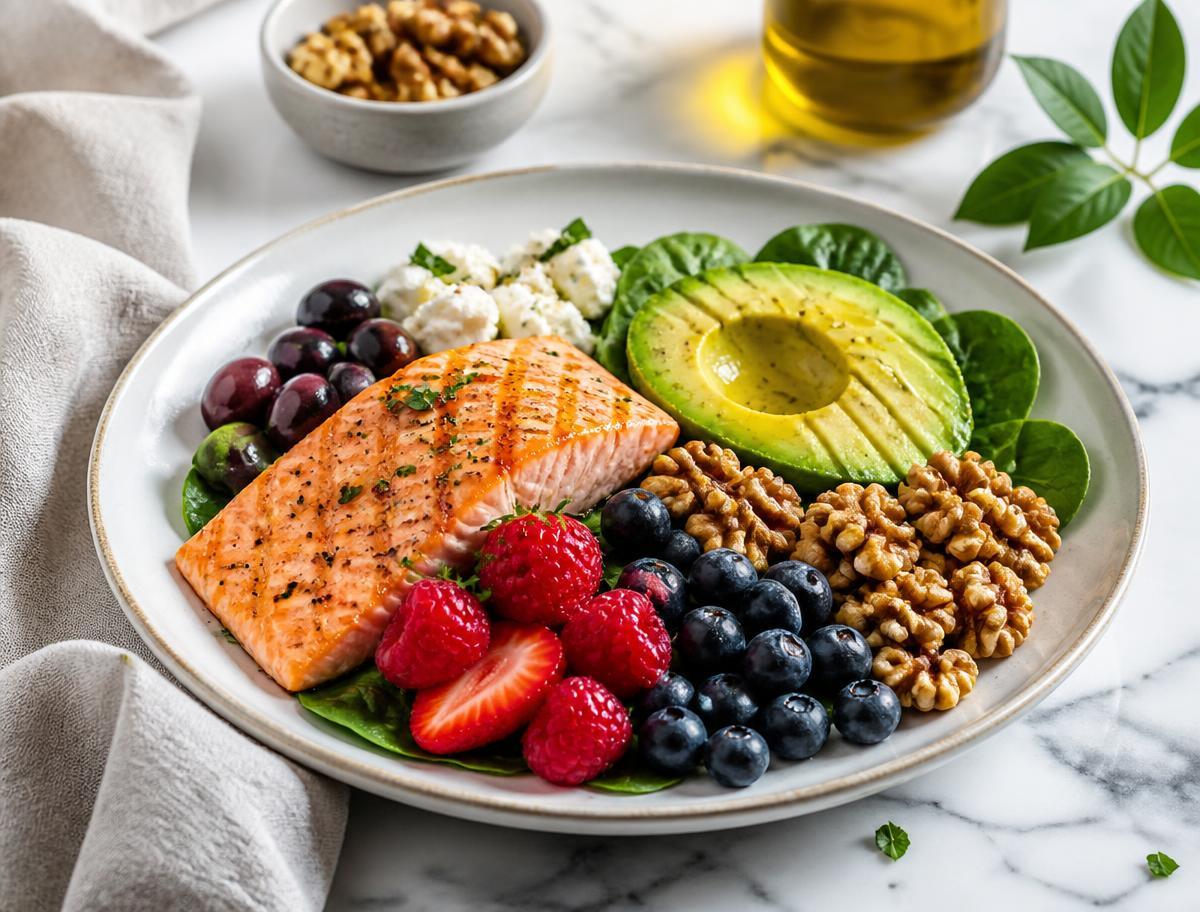
Two portions of oily fish weekly — sardines and mackerel are inexpensive and widely available — support the skin barrier and reduce inflammatory markers. Walnuts and flaxseed help, though conversion is inefficient.
“No supplement outperforms three consistent meals with adequate protein and vegetables.”
Frequently asked
Should I cut dairy?
Only skimmed dairy shows a consistent association with acne in the literature. A four-week structured trial is reasonable before eliminating anything permanently.
Do I need collagen powder?
Evidence is modest. Protein adequacy from food should come first.
Does water intake improve skin?
Dehydration worsens skin appearance; drinking beyond adequate hydration does not add further benefit.
Is this article a substitute for a consultation?
No. This article is educational. Treatment decisions at New Me are made after an in-person skin assessment, medical history review and, where relevant, imaging or patch testing.
Related treatments
- Wellness and nutrition consultation
Food diary review and blood work
- IV hydration and vitamin therapy
Where clinically indicated
Related products
Omega-3 supplement
For patients not eating oily fish
Vitamin D3
Common deficiency, test before dosing
About the author
Salma Adel
Wellness & Nutrition
Salma Adel designs the nutrition protocols that support New Me's skin, hair and body programmes, translating clinical evidence into food plans that suit Egyptian kitchens and real schedules.